


 Selling a house: A practical guide to getting the best price
Selling a house: A practical guide to getting the best price
2026-04-10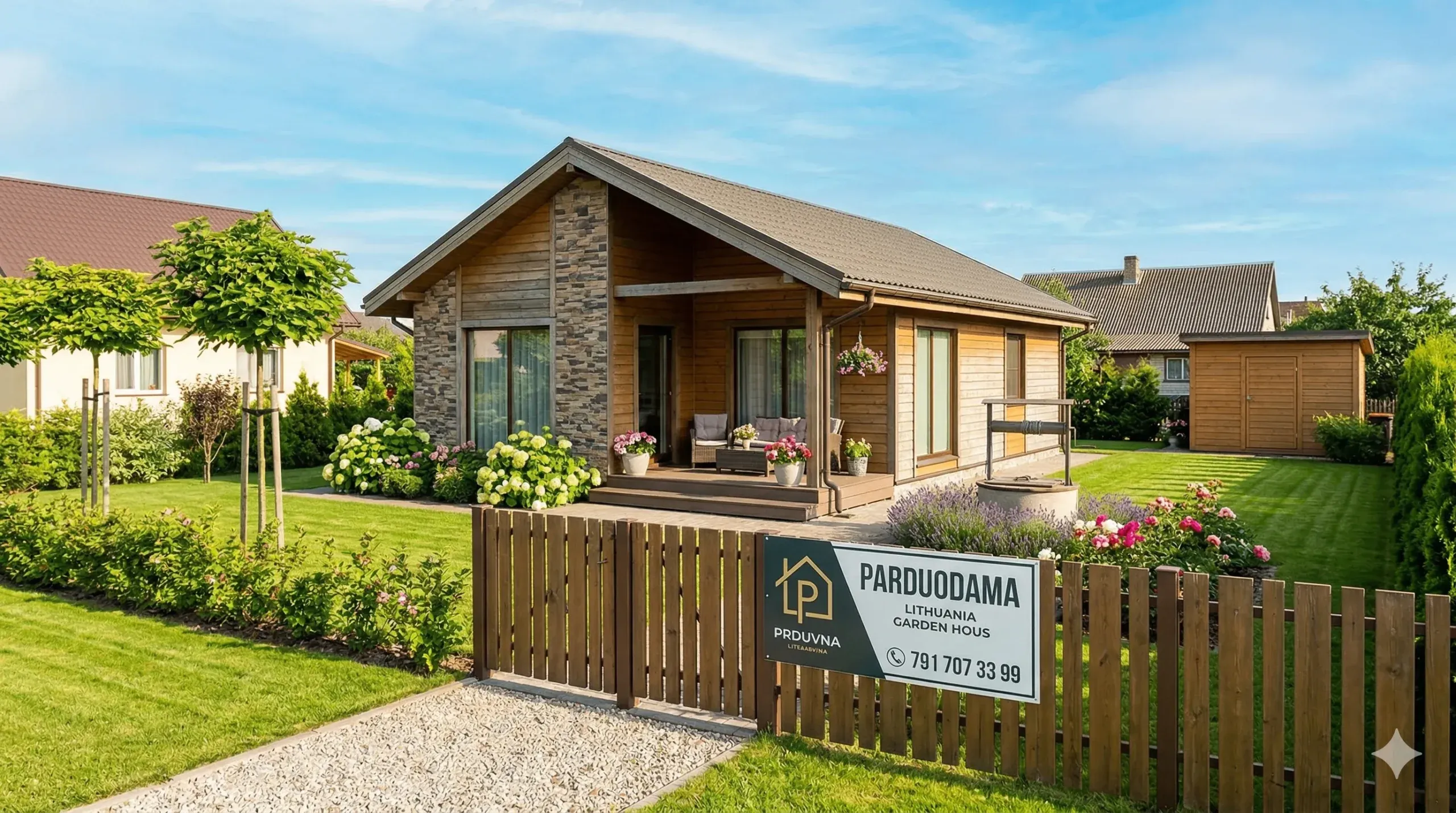
House for sale – it's not just a real estate transaction, it's a lifestyle story. Buyers here aren't just looking for square footage, but for an oasis of tranquility where they can escape the hustle and bustle of the city. But how do you make your listing stand out from the crowd, and how do you ensure negotiations end with the most favorable price for you?
The secret to success lies in two poles: in technical precision to go emotional comfort. The buyer must feel confident about the documents and the technical condition of the house, but at the same time, they must „fall in love“ with the environment you have cultivated. In this article, we will review the essential steps – from cadastral measurements that reduce the risk of delays to aesthetic details that add zeros to the final sum.
Technical nuances of the house: be an expert
Buyers today are rational, so the seller must know the health of the house precisely. If you hesitate, the buyer will have doubts about your openness.
- Tent construction: Specify the type (brick, wood frame, log) and curtain rods (reinforced concrete slabs, wooden beams). This is important for the buyer when assessing the building's durability and sound insulation.
- Water and Sewer If the water is from a well: what is its depth, is the water seasonal or year-round? Important: Please mention when the water quality tests were last conducted and what their results were.
- Sewage: is it a local septic tank or a treatment plant? When was it last serviced?
- Insulation and heating: Here are facts about wall insulation and heating methods (fireplace, solid fuel, air-to-air): **Wall Insulation:** * **Purpose:** Wall insulation is crucial for reducing heat loss in winter and heat gain in summer. It improves the thermal performance of a building, making it more comfortable and energy-efficient. * **Energy Savings:** Properly insulated walls can significantly reduce heating and cooling costs, leading to lower energy bills. * **Comfort:** Insulation helps maintain a consistent indoor temperature, preventing drafts and cold spots. * **Moisture Control:** Some types of insulation can help control moisture, preventing condensation and potential mold growth within wall cavities. * **Materials:** Common wall insulation materials include fiberglass, mineral wool, cellulose, spray foam, and rigid foam boards. Each has different R-values (a measure of thermal resistance), cost, and installation methods. * **Installation:** Insulation can be added during new construction or retrofitted into existing walls. The effectiveness depends on proper installation, ensuring no gaps or voids. * **Types of Walls:** Insulation methods vary depending on whether it's an exterior wall, interior wall, or a crawl space wall. **Heating Methods:** * **Fireplace:** * **Overview:** A traditional heating method that burns wood. * **Pros:** Provides ambiance, can be a backup heat source. * **Cons:** Often very inefficient, can produce significant indoor air pollution and creosote buildup, requires a constant supply of wood, can be a source of heat loss if not properly sealed. Modern, EPA-certified fireplaces are more efficient but still generally less so than other methods. * **Solid Fuel (e.g., Wood Stoves, Pellet Stoves):** * **Overview:** Heaters that burn solid materials like wood logs, wood pellets, or coal. * **Pros:** Can be a cost-effective heat source if fuel is readily available and inexpensive. Can provide radiant heat and a cozy atmosphere. Pellet stoves are often more efficient and easier to operate than traditional wood stoves. * **Cons:** Requires manual loading of fuel, ash removal, and regular maintenance. Air quality can be a concern, and emissions regulations are important. Storage for fuel is needed. * **Air-to-Air (Heat Pumps):** * **Overview:** These systems transfer heat from one location to another. In heating mode, they extract heat from the outdoor air and transfer it inside. In cooling mode, they reverse the process. * **Pros:** Highly energy-efficient, especially in moderate climates. Can provide both heating and cooling from a single unit. Lower operating costs compared to electric resistance heating. * **Cons:** Efficiency decreases significantly in very cold temperatures, requiring a supplemental heat source in colder climates. Initial installation cost can be higher than some other options. Requires electricity to operate.
- Electrical power: The standard in gardens is often 3 kW. If your name's power is amplified or you know there's a technical possibility of it increase (e.g., to 10 kW), be sure to emphasize this as a major advantage.
2. Documentation: Prepare in advance
Document handling is the part where transactions most often stall. Don't wait for a buyer to start organizing documents.
- Updated cadastral file and land plan: If a terrace, utility building appeared after the last measurements, or the internal layout changed, and the information in the Register Center is outdated— it needs to be updated now. This process can take several months.
- Energy Performance Certificate: Make arrangements in advance. If the house is uninhabited in winter (seasonal), a certificate may not be required, but a special certificate confirming this is necessary.
- Gardener association certificate: This notice is only valid 1 month, therefore, only order it when you already have a specific buyer.
3. Product presentation: cleanliness and space
A house is for sale along with the dream of relaxation, therefore an aesthetic view is a priority.
- Lot aesthetics: The buyer's first acquaintance with the property begins with the environment. Mow the lawn, Prune shrubs and trees. A tidy plot looks bigger.
- Removal of items: Recommended take out all unnecessary items in advance, his old furniture and personal belongings. Buyers like to see a ready-to-move-in house that they can occupy immediately after the deal, without waiting for the previous owner to clear out the attic.
- Ventilation and hygiene: Clean basement and storage rooms. If the house has been uninhabited for a while, it is necessary to ventilate it well to eliminate the specific „closed house“ smell.

4. Effective Advertising: How to Reach the Customer?
One ad on the most popular portal is often not enough. Use multiple channels:
- Classified ad websites (Aruodas.lt, Skelbiu.lt, etc.) - the basis for traffic.
- Social media: Target groups „Gardens,“ „Home Sales,“ regional groups (e.g., „Vilnius District“). Personal posts with sharing capability work extremely fast.
- Outdoor advertising A sign for sale on a fence. Gardens are often bought by people who are already visiting the community to see friends or relatives.
- Neighborhood Network Inform the community chairman or nearest neighbors – they might know someone looking for a plot nearby.
- Visualization Invest in professional photographer. Not only bright indoor photos are needed, but also aerial views (drone), which show the plot's shape, neighborhood, and distance to natural objects.
5. Most common customer questions (be prepared)
The more openly and accurately you answer, the more trust you will earn.
- Humidity „Does the basement get damp when it's wet (in spring or after rain)?“ Be honest – if the basement needs drying, the buyer will see it as a future investment.
- Construction „What kind of floor slabs are in the house? (Wooden or concrete).
- Logistics „How are the streets cleaned in winter? Will the garbage truck be able to access it? Where is the nearest bus stop?“
- Neighborhood „Are there any permanent residents nearby?“
- Communications Development: „Is it possible to increase the electrical power capacity? Is there an option to connect to a neighbor's well?“
Tip The text in the advertisement should not be too sweet. It's better to list specific information about the advantages, but also sincerely mention what needs improvement. Buyers highly value sincerity – it creates a sense of security.
Finally
Successful house for sale used best price It's a complete process with no unimportant details. When your documents (from cadastral files to energy certificates) are impeccable, and your technical answers about well depth or electricity kilowatts are specific and clear, you control the sales process.
Customers value the most sincerity and cleanliness. A home free of unnecessary old items, with perfectly mowed grass, radiates owner responsibility. This creates value that buyers are willing to pay more for. Invest in a professional aerial view, be open about the house's shortcomings, and highlight the unique neighborhood – this will not only ensure a faster sale but also that your cherished property ends up in good hands for a fair price.
Looking for a real estate agent in Vilnius?
The best solutions are born from a professional perspective and attention to detail. Choose the assistance you need in Vilnius:
- NT consultation – if you plan to buy or sell property yourself but want advice on strategy (e.g., accurate pricing or risk assessment for purchasing).
- NT broker services - Finding a buyer „from A to Z“: from preparing quality advertising to a smooth sale closing by a notary.
Let's get in touch,
Sandra Jakule, NT broker in Vilnius
Phone number +370 65531429 (WhatsApp, Viber, Telegram)


Recent articles
All articles
16 April, 2026
5 minutes.
Parduoti butą Vilniaus Senamiestyje – tai ne tas pats, kas parduoti turtą naujos statybos kvartale. Čia pirkėjas perka ne kvadratinius metrus, o istoriją, vaizdą pro langą ir tam tikrą gyvenimo būdą. Jei siekiate geriausios kainos 2026-aisiais, turite suprasti: Senamiestis klaidų neatleidžia, bet skrupulingumą vertina solidžiomis sumomis. 1. Pirkėjų segmentai: kas sumokės daugiausiai? Norint gauti geriausią […]
April 14, 2026
7 minutes.
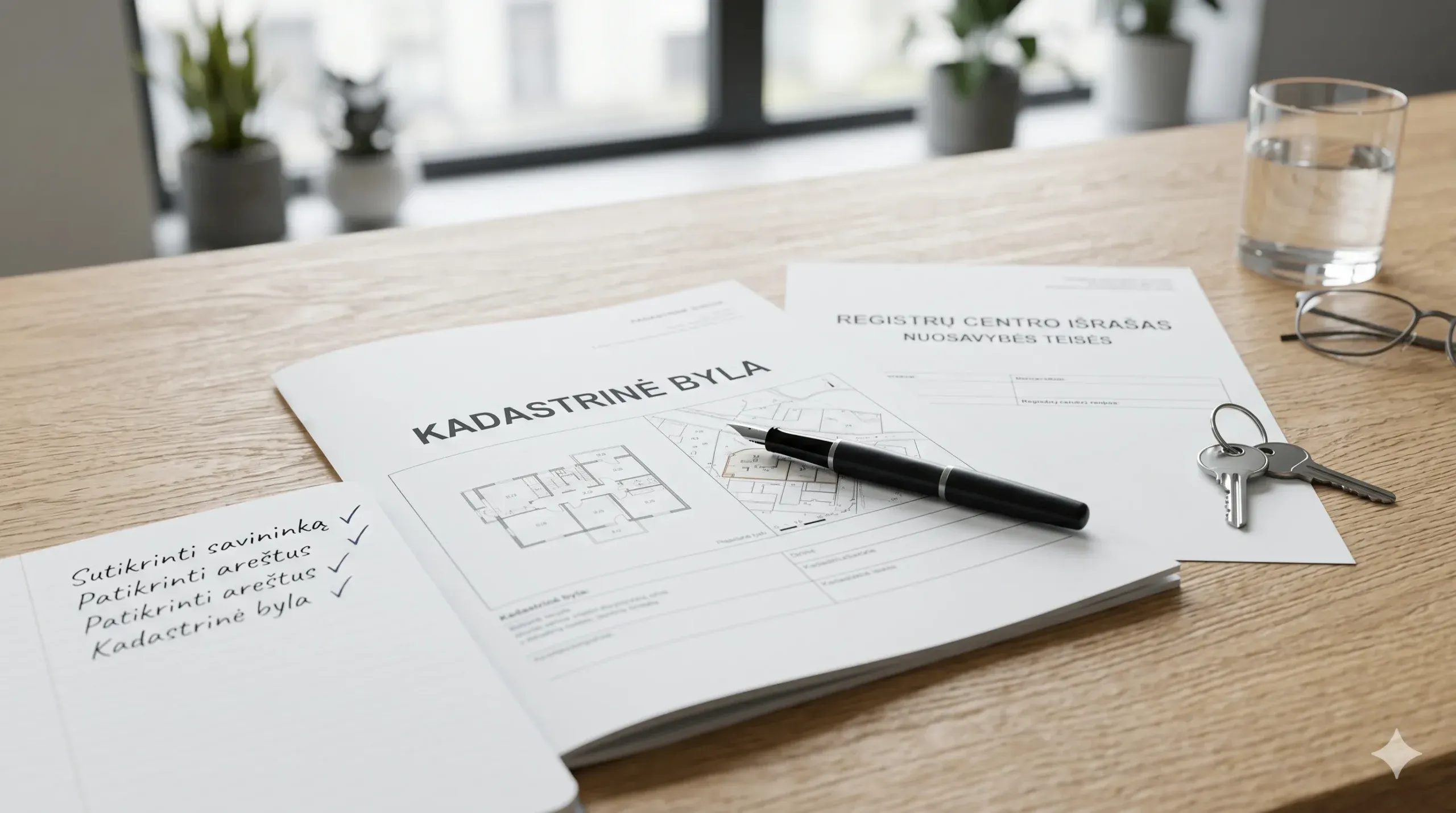
Purchasing real estate directly from the owner requires a buyer to exercise significant vigilance and possess legal knowledge. Although a notary will verify essential legal facts during the transaction, you must complete a great deal of important „homework“ yourself, before signing a preliminary purchase and sale agreement and paying a deposit. This is particularly relevant when the seller is not represented by a professional real estate broker. A broker typically performs an initial document review and is knowledgeable about […]
April 11, 2026
5 minutes.
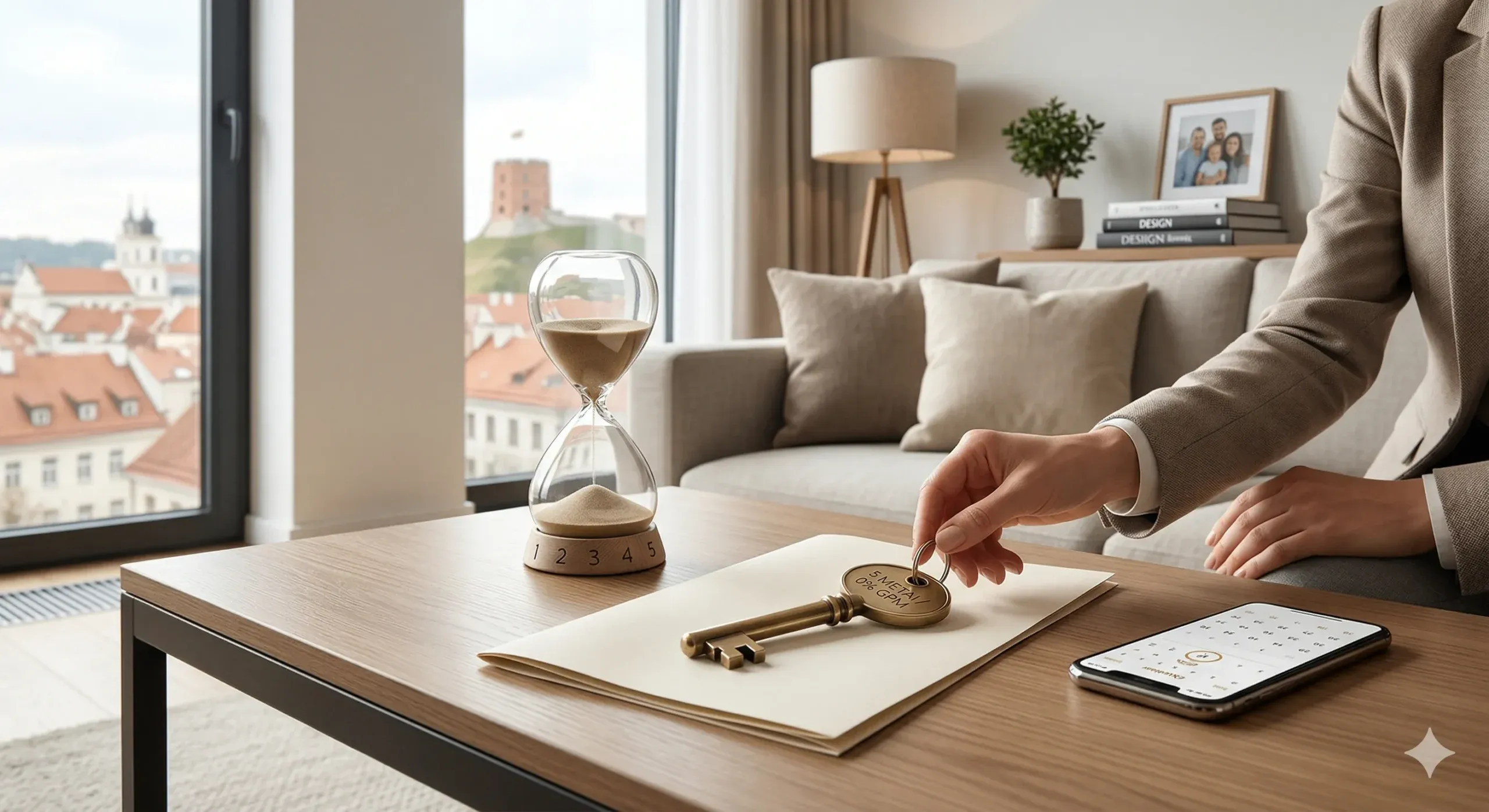
Most owners in Vilnius, when planning a sale, fear that a large portion of the money earned will have to be given to the state. However, the truth is that you can sell a property at any time – the question is only when the obligation to pay the 15% % income tax (GPM) on the profit earned arises. Here is a clear guide to help you understand how to legally avoid the tax burden. The main rule: 5 years If you want to [...]
April 8, 2026
5 minutes.
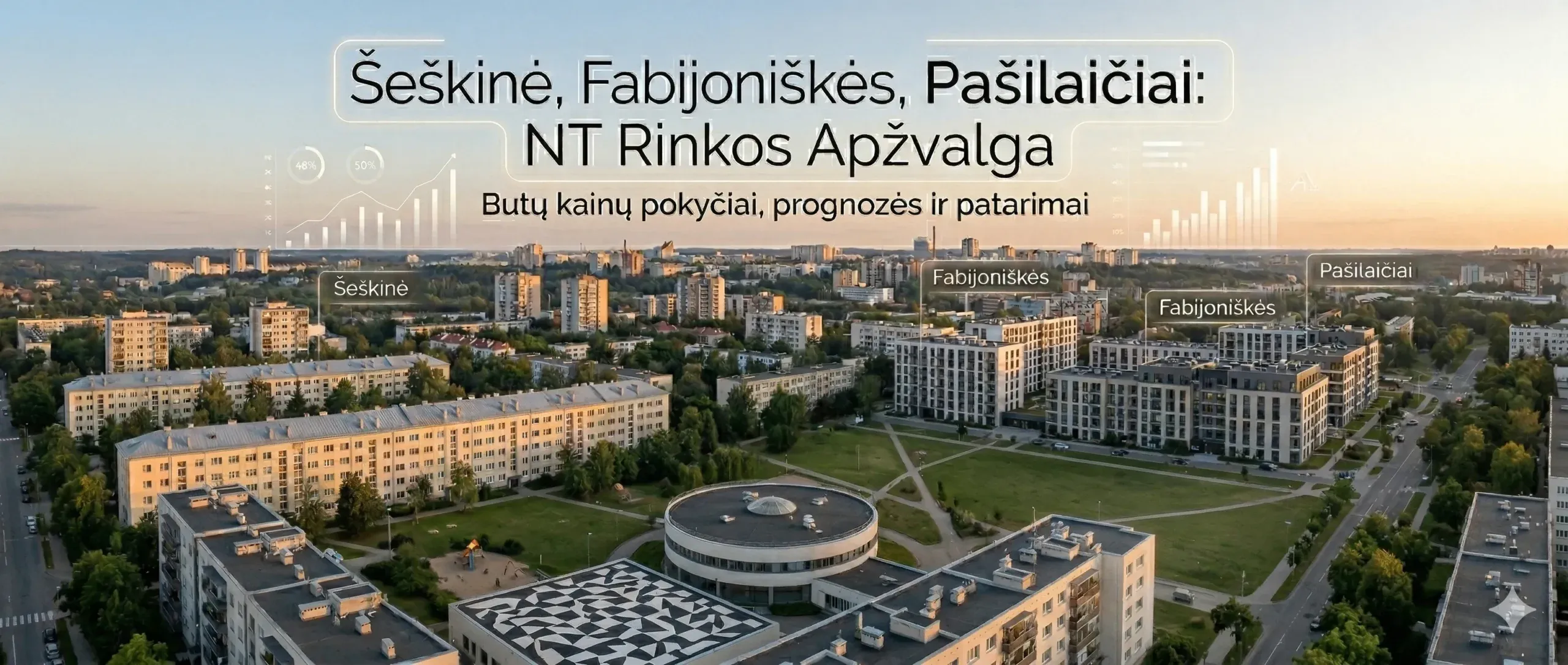
I have prepared the latest real estate analysis for March-April 2026. This time, my focus is not only on Šeškinė but also on the neighboring Pašilaičiai and Fabijoniškės. As a market observer, I see that northern Vilnius is experiencing a renaissance: buyers are migrating here seeking a balance between price and ever-improving infrastructure. Price Summary (March 2026) Each district has its own „character“ and buyer audience. […]